
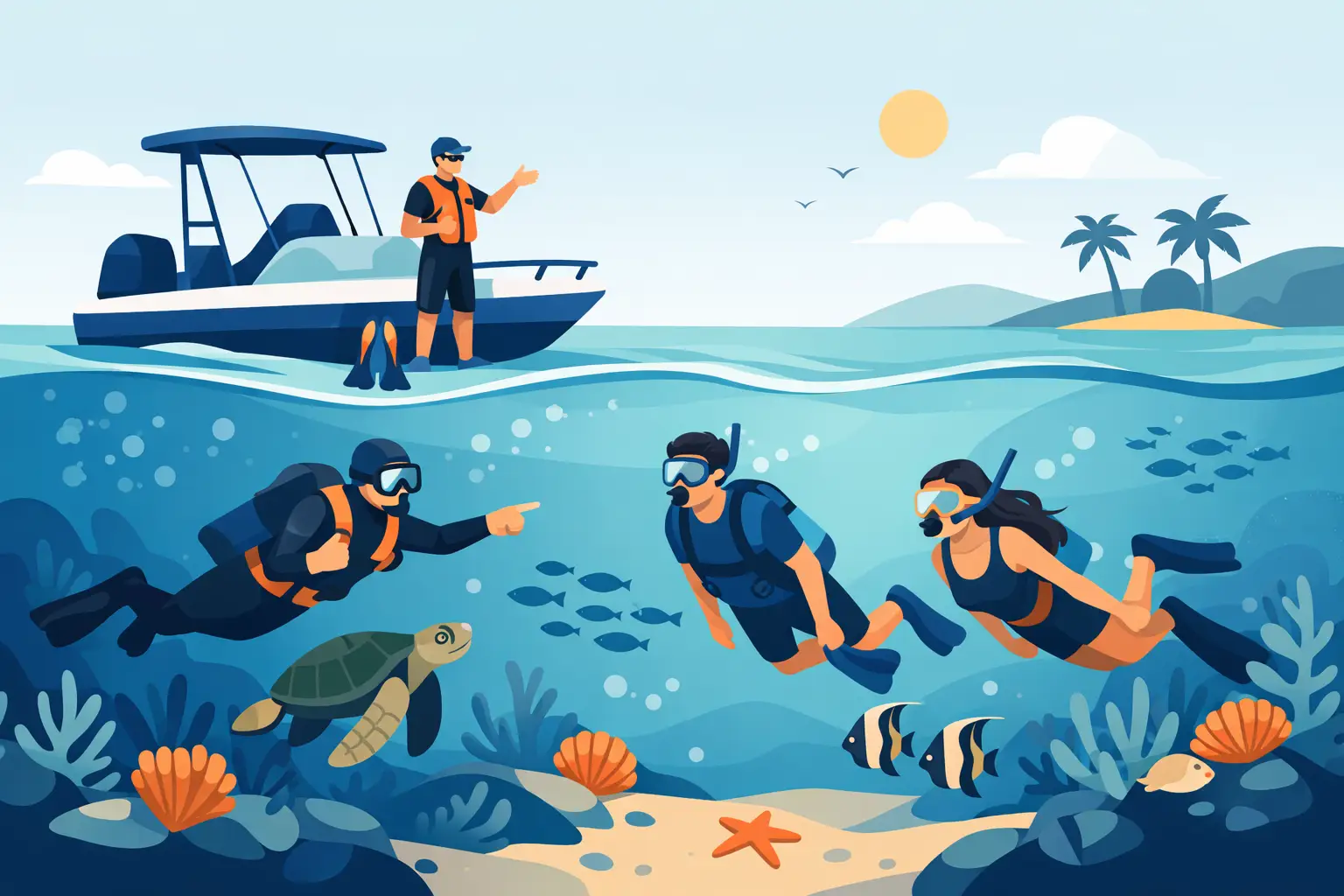

You spot the water first – that impossible Barbados blue – and then the question lands: what actually happens once you book? If you’re wondering how guided snorkeling tours work, the answer is reassuringly simple. A well-run tour turns a beautiful swim into a curated ocean experience, with expert support, quality gear, safety oversight, and the kind of local insight that helps you relax and enjoy every moment in the water.
For many travelers, snorkeling looks easy from shore and slightly mysterious once a boat is involved. Do you need experience? How close does the guide stay? What if you’re not a strong swimmer? The best tours are designed to remove that friction. They are built for beginners, casual adventurers, couples, families, and anyone who wants the magic of the reef without the guesswork.
How guided snorkeling tours work from start to finish
Most guided snorkeling tours begin well before anyone enters the water. After booking, guests usually receive arrival details, what to bring, and a sense of the tour timing. On the day itself, the experience starts with check-in, where staff confirm your reservation, review any basic health or swimming questions, and help you get settled.
From there, the pace depends on the style of excursion. A smaller premium tour may feel relaxed and personalized from the first welcome, with attentive staff, refreshments, and a smooth boarding process. A larger group outing might move faster and feel more structured. Neither is automatically better – it depends on whether you want intimacy and comfort or a lower-cost social atmosphere.
Once aboard, guests are introduced to the equipment and the plan for the route. In Barbados, that often means heading toward calm reef sites, shallow bays, or shipwreck areas where visibility, marine life, and water conditions make for a memorable snorkel. Good operators choose locations based not only on beauty, but also on wind, current, and sea state. That part matters more than many first-time snorkelers realize. The best reef in theory is not always the best reef for today’s conditions.
The briefing is where the experience really begins
A polished snorkeling tour does not toss you a mask and point at the sea. Before anyone gets in, guides walk through the essentials in clear, calm language. You will usually learn how to fit the mask, how to breathe through the snorkel, how to clear water if it gets inside, and how fins should feel in the water.
This is also where the guide explains the safety approach. Expect instructions on entry and exit, hand signals, where the group will stay, and what to do if you feel tired or uneasy. Some tours use flotation belts or snorkel vests, especially for beginners or less confident swimmers. That is not a sign the activity is difficult. It is part of making the experience more comfortable, so you can float easily and focus on the reef instead of your energy level.
A strong briefing also covers marine etiquette. Guests are reminded not to stand on coral, chase sea life, or touch anything underwater. That protects both the ecosystem and the quality of the experience. Reefs stay beautiful when visitors treat them with care.
What the guide actually does in the water
People often imagine a snorkeling guide as someone who swims ahead and points out fish now and then. In reality, a good guide is doing far more than that.
Once the group enters the water, the guide manages the pace, tracks everyone’s comfort, and adjusts the route in real time. If one guest is nervous, the guide may stay closer and offer extra reassurance. If visibility shifts or current changes, the guide can reposition the group. If a turtle appears near the reef edge or a school of fish moves through the shallows, the guide knows where to pause without crowding the wildlife or the swimmers.
This is one of the biggest differences between a guided tour and snorkeling on your own. Local knowledge changes what you see. A trained guide can recognize where sea turtles tend to surface, where a wreck creates shelter for marine life, and which section of reef is worth lingering over that morning. They also notice the guests who are quietly drifting too far, breathing too fast, or missing the best part because their mask strap needs adjusting.
For beginners, that support can make the whole experience feel easy. For more confident swimmers, it still adds value because you spend less time navigating and more time actually enjoying the water.
How guided snorkeling tours work for beginners
If you have never snorkeled before, guided tours are usually the best place to start. You do not need to show up with technical knowledge or polished form. You need a willingness to listen, move at a comfortable pace, and communicate if something feels off.
Many first-timers worry about breathing through the snorkel or putting their face in the water. That is normal. A well-led tour accounts for that learning curve. Guides often help guests test the gear on the surface first, adjust fit issues before moving farther out, and keep the early moments unhurried.
The main trade-off is that guided tours follow a shared plan. If you want total independence, a private charter or self-guided outing gives you more freedom. But if your priority is confidence, access, and ease, guided snorkeling is usually the more enjoyable option. It lets you step into the experience with support instead of pressure.
What equipment is usually included
Most guided snorkeling tours provide the essentials: mask, snorkel, fins, and often a flotation aid. Some premium experiences also offer extras such as towels, onboard drinks, freshwater rinse options, or a more spacious vessel with shaded seating.
Gear quality can shape your day more than many travelers expect. A mask that seals properly and a snorkel that feels comfortable make a huge difference, especially if it is your first time. That is one reason guided tours appeal to vacationers. You do not need to research, pack, or fit everything on your own.
If you already own equipment and prefer to use it, some operators allow that, though many guests are happy to use the provided gear. The real advantage is not simply having equipment available. It is having staff nearby who can make quick adjustments and spot problems before they become frustrating.
The boat ride, the atmosphere, and the little details
On a premium tour, the time between snorkel stops is part of the experience, not dead space. This is where ocean breezes, coastal views, attentive service, and a more relaxed onboard atmosphere elevate the outing from an activity to a vacation highlight.
That is especially true in a destination like Barbados, where the ride itself can feel cinematic. One moment you are slipping into clear water over coral and tropical fish. The next, you are back on deck, drying off under the sun with a drink in hand and the island stretching out beside you. For couples, families, and groups of friends, those transitions matter. They create a rhythm that feels effortless and indulgent rather than rushed.
This is also why pricing varies. Some tours are built around basic transportation and snorkel time. Others are curated more carefully, with smaller groups, polished hospitality, and more attentive guest care. If you are comparing options, think beyond snorkel duration alone. Service style, comfort, boat quality, and guide attention all affect the memory you take home.
What to expect after the snorkel
Once everyone is back aboard, there is usually time to relax, rehydrate, and enjoy the ride back. Some tours include a second swim stop or pair snorkeling with another water activity. Others keep the focus on one beautifully paced reef session.
By the end, the experience should feel simple in the best way. Not basic – just well managed. You were welcomed, briefed, equipped, guided, and looked after at each stage. That is how guided snorkeling tours work when they are done properly. The ocean still provides the wonder, but the tour removes the uncertainty.
If you are choosing your first snorkeling experience in Barbados, look for the operator that makes you feel both excited and at ease. The best day on the water is not just about what you see below the surface. It is about how confidently, comfortably, and joyfully you get to be there at all.