
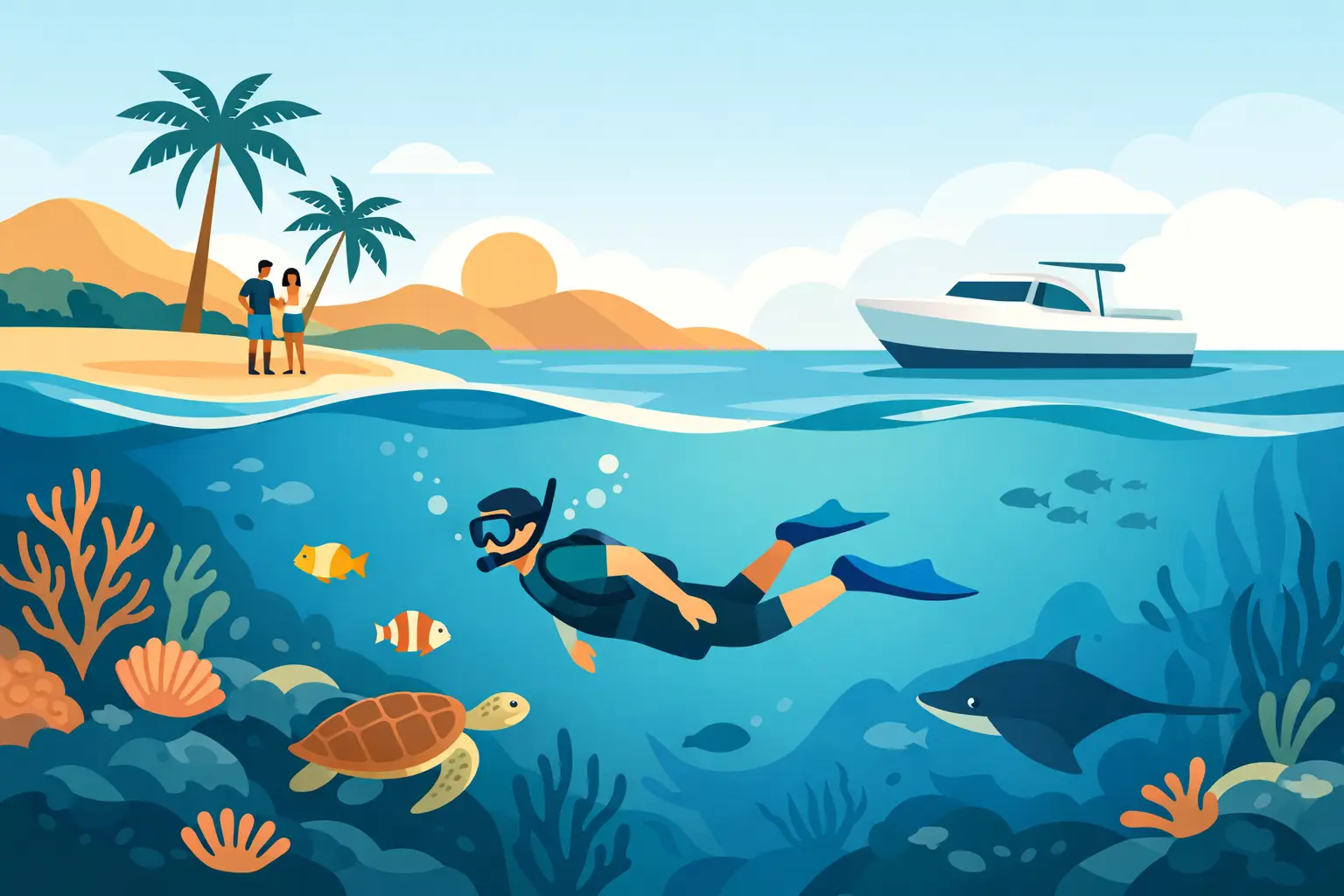

The first time you put your face in clear Caribbean water and see a reef come alive below you, something shifts. The nerves usually fade fast. That is why one of the most common vacation questions we hear is simple: is snorkeling beginner friendly? In most cases, yes – especially when the setting is calm, the equipment fits properly, and you are guided by professionals who know how to make the experience feel easy from the start.
Snorkeling has a reputation for being one of the most approachable ocean activities for a reason. You do not need years of training, a heavy tank, or advanced swimming skills to enjoy it. For many travelers, it is the perfect middle ground between staying on the boat and committing to a more technical water sport. You get the beauty, the color, and that floating-in-paradise feeling without a steep learning curve.
Is snorkeling beginner friendly for most travelers?
Yes, but the honest answer depends on the person, the conditions, and the way the experience is organized. A relaxed guided snorkel in warm, shallow water is very different from trying to figure it out alone in choppy surf. Beginners usually do best when the entry is simple, the water visibility is good, and there is a crew nearby to help with masks, fins, and confidence.
That is what makes snorkeling so appealing on vacation. It can be as easygoing or as active as you want it to be. Some guests paddle around gently near the surface and take in the view at their own pace. Others build confidence quickly and start exploring reefs, fish, and underwater features with real excitement. Either way, the barrier to entry is low compared with many other marine activities.
For adults who want a memorable ocean experience without the intensity of diving, snorkeling often feels like the sweet spot. It gives you access to a hidden side of the coastline while still keeping the experience light, social, and manageable.
Why snorkeling feels accessible so quickly
One of the biggest reasons beginners enjoy snorkeling is that breathing remains simple once you get comfortable with the mask and snorkel. You are floating at the surface rather than descending underwater, so there is less pressure to master a lot of new techniques at once. After a short briefing, many first-timers realize they can ease into it within minutes.
The environment matters too. Warm water helps people relax. Good visibility makes the experience more intuitive because you can see what is around you. Calm bays and protected reef areas remove much of the chaos that can make beginners feel unsure. When all of those pieces come together, snorkeling can feel surprisingly natural.
There is also a mental shift that happens once people realize they do not need to perform. You are not racing anyone. You are not expected to be graceful. You are simply floating, breathing, and looking. That low-pressure experience is a major part of why snorkeling works so well for couples, families, and friend groups with mixed comfort levels in the water.
What beginners usually worry about
Most first-time snorkelers are not worried about the fish. They are worried about themselves. They wonder whether they need to be a strong swimmer, whether breathing through a snorkel will feel strange, or whether salt water will get in their mask and ruin the moment. Those concerns are normal, and they are usually manageable.
Swimming ability helps, but you do not need to be an athlete to snorkel in beginner-friendly conditions. Flotation support can make a huge difference for nervous guests. A well-fitted mask also changes everything. If the mask seals properly and the snorkel sits comfortably, the experience becomes far more enjoyable almost immediately.
Anxiety often comes from trying to do too much too fast. The best beginner snorkeling experiences are unhurried. You enter the water gradually, adjust your breathing, and get used to floating before focusing on what is below. A calm introduction is often the difference between feeling tense for ten minutes and feeling amazed for the rest of the excursion.
When snorkeling may not feel beginner friendly
There are situations where snorkeling is less ideal for a first attempt. Rough water, strong current, poor visibility, and difficult shore entries can all make the activity feel harder than it needs to be. That does not mean snorkeling itself is not accessible. It means the setting is doing too much of the work against you.
If you are very uncomfortable in open water, prone to panic, or have mobility concerns, it is worth asking detailed questions before booking. A quality operator will be clear about water conditions, support available, and what the experience actually involves. Premium excursions are not just about beautiful boats and scenic coastlines. They are also about creating the kind of calm, well-managed atmosphere that lets beginners enjoy the ocean with confidence.
This is where guided experiences tend to stand apart from basic rentals. On your own, a small issue can feel overwhelming. With a trained crew nearby, it becomes a quick adjustment. Sometimes all a beginner needs is help defogging a mask, choosing the right fin size, or taking a quiet minute at the ladder before setting off.
How to make your first snorkel easier
The smartest way to approach snorkeling as a beginner is to keep it simple. Choose a guided tour known for calm sites and attentive instruction. Listen to the safety briefing. Let the crew know if it is your first time. That one sentence often changes the whole experience because good guides will naturally keep a closer eye on you and offer more reassurance.
It also helps to set realistic expectations. Your first few breaths through a snorkel may feel unusual. Your mask may need a quick adjustment. You may spend a minute focusing more on your breathing than the reef. That is normal. Comfort tends to build fast once you stop treating those small moments as problems.
A few practical habits can make a real difference. Avoid holding your breath. Keep your movements slow. Let your body float rather than fighting the water. If you feel uneasy, look up, reset, and start again. Snorkeling rewards a relaxed pace.
The beginner advantage of warm-water destinations
Location plays a major role in how welcoming snorkeling feels. In warm, clear destinations such as Barbados, beginners often have a far better first impression than they would in colder, murkier water. Visibility adds confidence because you can orient yourself easily. Gentle sea conditions make movement easier. And when the scenery is bright, colorful, and full of life, the reward comes quickly.
That matters more than people think. A first-time snorkeler who sees tropical fish gliding through sunlit water within minutes is much more likely to relax than someone staring into gray water wondering what they are missing. The emotional payoff arrives early, and that creates momentum.
For travelers who want adventure with a polished, vacation-ready feel, snorkeling fits beautifully. It offers that rare mix of effortlessness and wonder. You can spend the morning sailing along the coast, step into the water for a guided reef experience, and be back on deck sipping something cold with salt still on your skin and a camera full of unforgettable shots.
Is snorkeling beginner friendly compared with scuba?
For most people, absolutely. Snorkeling is easier to try than scuba because it requires less equipment, less instruction, and less physical adjustment. You stay on the surface, breathe through a simple tube, and can pause whenever you want. Scuba introduces depth, pressure changes, and a much more technical setup.
That is why snorkeling is often the ideal first step for travelers who are ocean-curious but not quite ready for dive training. It gives you a feel for the marine environment in a relaxed way. Some people stop there and love it. Others use it as a confidence builder before trying scuba later on.
Neither choice is better across the board. It depends on the kind of experience you want. If your goal is an easy, scenic, low-pressure introduction to the underwater world, snorkeling is usually the more beginner-friendly option.
The best mindset for a first-time snorkeler
Treat your first snorkel as an experience, not a test. You do not need to look polished. You do not need to cover a huge area. You only need to stay open to the moment and give yourself a little time to settle in. Once you do, the ocean tends to meet you halfway.
At TideTales Water Sports, that is exactly how we think a first ocean adventure should feel – expertly guided, beautifully paced, and full of those quiet wow moments that stay with you long after the boat returns to shore.
If snorkeling has been sitting on your vacation wish list because you were unsure whether you were “the type” for it, this is your sign to stop overthinking it. In the right conditions, with the right support, beginners do not just manage snorkeling – they often end up loving it.