
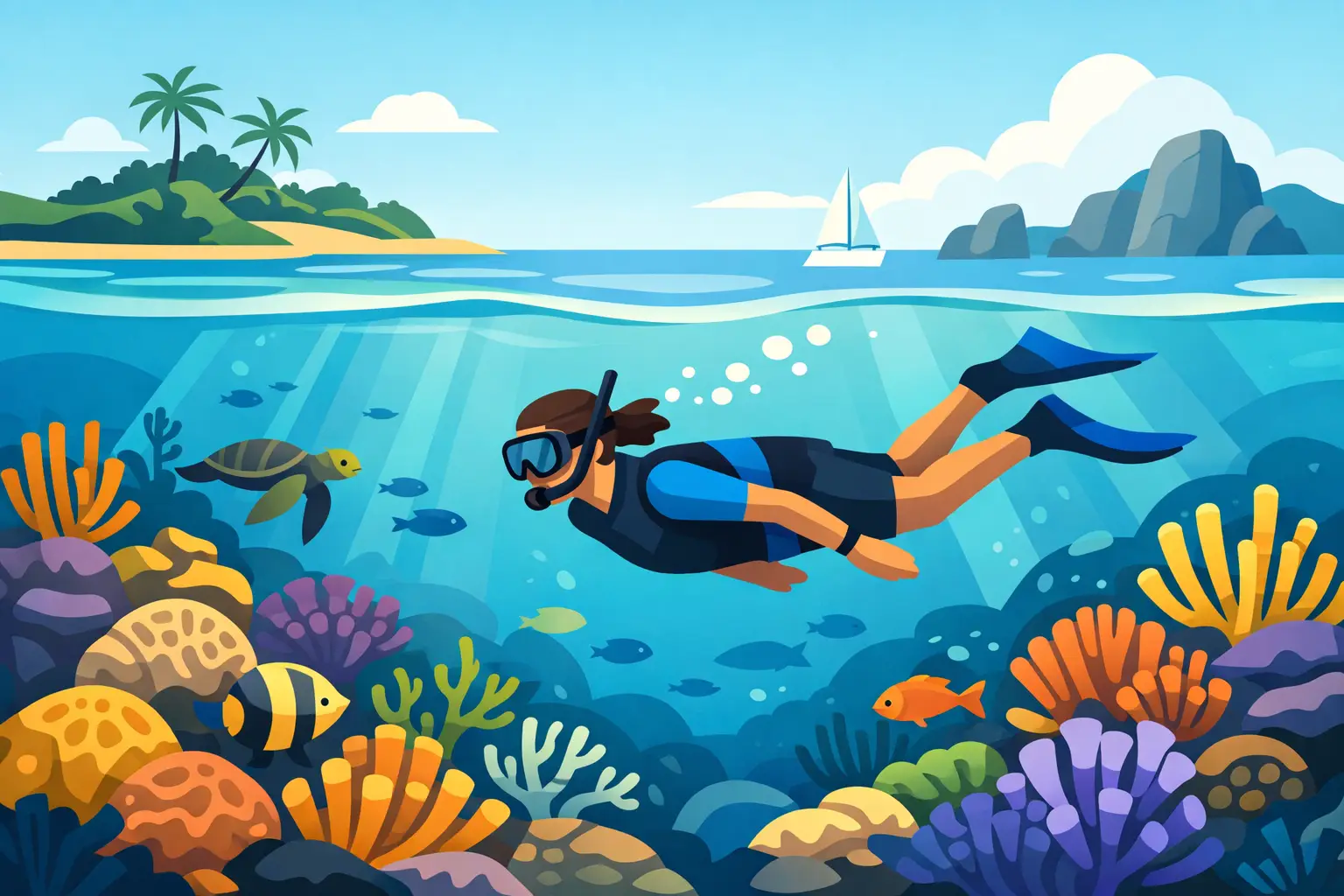

The first glimpse beneath Barbados’ clear blue surface can stop a conversation mid-sentence: a turtle gliding over sand, silver fish flashing around coral, or the silhouette of a shipwreck rising from the water. Knowing how to snorkel Barbados reefs turns that beautiful moment into a relaxed, safe, and genuinely memorable part of your vacation – whether you have never worn a mask before or already love the sea.
Barbados offers the kind of snorkeling that feels wonderfully accessible, but the best experience comes from reading the conditions, using the right technique, and giving the reef the respect it deserves. This is not about rushing from one photo stop to another. It is about floating quietly, breathing steadily, and letting the island’s underwater stories reveal themselves.
Choose the right Barbados snorkeling conditions
The west and southwest coasts are often the best starting point for visitors because they are generally more sheltered from the Atlantic swell. Calm water and strong visibility make it easier to settle into your mask, spot marine life, and conserve energy. Carlisle Bay is especially well known for its gentle conditions, sea turtles, reef fish, and historic wrecks, while areas along the Platinum Coast can offer lovely nearshore reef and beach snorkeling when the sea is calm.
Conditions change with wind, tides, rain, and season. A beach that looks inviting from shore can still have current, boat traffic, or reduced visibility. If the water is choppy, cloudy, or pulling steadily along the coast, choose a different location or go with a professional guide instead of trying to force the plan. The most polished ocean days are flexible ones.
Morning is often a smart choice. The water may be calmer, the light can be beautifully clear, and you have time to enjoy the rest of your day ashore afterward. That said, a guided boat trip can reach excellent snorkeling sites throughout the day when the captain selects the route around the weather.
Get comfortable with your gear before you go
A mask, snorkel, and fins are simple tools, but a poor fit can distract from everything around you. Your mask should create a gentle seal without being tightened painfully. Test it by holding it to your face without the strap and breathing in lightly through your nose. If it stays in place, it is likely a good fit.
Keep your hair clear of the silicone skirt, especially at the temples. Even a few strands can let water in. Position the snorkel on the left side of the mask strap, then adjust it so the mouthpiece sits comfortably without pulling at your jaw. If you are using fins, they should feel secure but not pinch your toes or heels.
Before heading away from the beach or boat, practice three small skills in shallow water: floating face down, breathing slowly through the snorkel, and clearing a little water from the snorkel with one firm exhale. This minute of practice replaces nerves with familiarity. A flotation vest or snorkeling belt is not a sign of inexperience, either. It lets many guests relax their body, save energy, and focus fully on the reef below.
Breathe slowly and let the water hold you
New snorkelers often lift their heads too often or kick too hard. Both habits make the experience more tiring. Instead, keep your face in the water, make long gentle breaths, and use slow kicks from your hips. Your legs should trail behind you rather than bicycle beneath you.
If water enters your mask, do not panic. Lift your head, adjust the seal, and take a moment. In a guided setting, signal your instructor or hold onto the float while you reset. There is no prize for pushing through discomfort. The best snorkeling looks almost effortless because it is built on calm, unhurried movements.
Find more than just a pretty patch of coral
Barbados snorkeling is often celebrated for turtles, and rightly so. Green and hawksbill turtles are frequently seen in the island’s clear coastal waters, particularly around popular calm-water sites. But looking only for turtles means missing the smaller scenes that make a reef feel alive.
Watch for parrotfish grazing coral, blue tangs moving in bright schools, sergeant majors hovering near structure, and trumpetfish blending into sea fans. Over sandy areas, you may see rays resting or moving low across the seabed. Around wrecks, fish can gather in impressive numbers, with shafts of sunlight cutting through openings and railings.
Give every animal space. Never chase, touch, feed, or corner a turtle for a closer photograph. A respectful distance protects the animal and usually creates a better encounter anyway. Stay still, and marine life often becomes more curious and natural around you.
Wrecks add drama, but require extra awareness
The shipwrecks around Carlisle Bay are among Barbados’ signature underwater sights. Their outlines create a dramatic backdrop for snorkeling and attract dense communities of fish. They can be accessible from a boat, but they are not playground equipment.
Do not enter a wreck while snorkeling, hold onto its structure, or swim beneath overhangs. Sharp edges, fishing line, changing surge, and limited visibility can turn a scenic moment into an avoidable problem. View the wreck from outside, follow your guide’s route, and enjoy the scale of it from a safe distance.
Protect the reef while you enjoy it
Healthy reefs are not guaranteed. Coral is a living animal, and a single standing footstep can damage delicate formations that took years to grow. Keep your fins, hands, and knees away from the reef at all times. If you need to pause, float above sand or use the flotation support provided by your guide.
Reef-conscious choices begin before you enter the water. Use sun protection thoughtfully, cover up with a rash guard when possible, and apply products well before swimming so they can absorb. Bring a reusable water bottle, secure loose items on the boat, and never leave packaging or food in the sea.
Photography deserves the same care. A waterproof camera can capture extraordinary color, but do not reach toward coral or wildlife to frame a shot. Let the scene come to you. Some of the strongest vacation images are wide, calm, and honest: a turtle in open water, a friend floating above a wreck, sunlight rippling across the Caribbean floor.
Know when a guided snorkeling trip is worth it
You can snorkel from certain Barbados beaches, but a guided boat experience brings benefits that are easy to feel once you are on the water. Your crew can select the most suitable location for that day’s conditions, provide properly fitted equipment, brief you on safety, and point out wildlife you might otherwise pass by.
It also makes the experience more comfortable for mixed groups. One person may be a confident swimmer, another may be trying snorkeling for the first time, and someone else may simply want to relax with a cool drink and enjoy the coastline between stops. A well-managed charter allows everyone to have their version of the day without compromising safety or atmosphere.
For couples, families, and groups celebrating something special, private charters add room to slow the pace down. There is time to sail, swim, sip, and take in the island from its best angle: the water. TideTales Water Sports pairs that sense of escape with attentive guidance, curated comfort, and a safety-led approach designed to make beginners feel as welcome as seasoned ocean lovers.
A simple safety rhythm for every snorkeler
Before entering the water, tell the crew if you are not a strong swimmer, have a medical condition that could affect activity, or feel uneasy about open water. Use the buddy system, stay within the agreed area, and keep an eye on the boat or shoreline. If you begin to feel tired, cold, anxious, or affected by current, signal early rather than waiting.
Alcohol and snorkeling are not a good combination. Save the celebratory drink for after the swim, when you can enjoy it fully. Hydration matters, too, particularly after time in the sun and salt water.
Most importantly, do not judge your experience by how far you swim. A slow ten minutes over a thriving reef can be more rewarding than an exhausting hour spent trying to keep up. Barbados rewards attention. Float quietly, look closely, and leave room in the day for the sea to surprise you.