
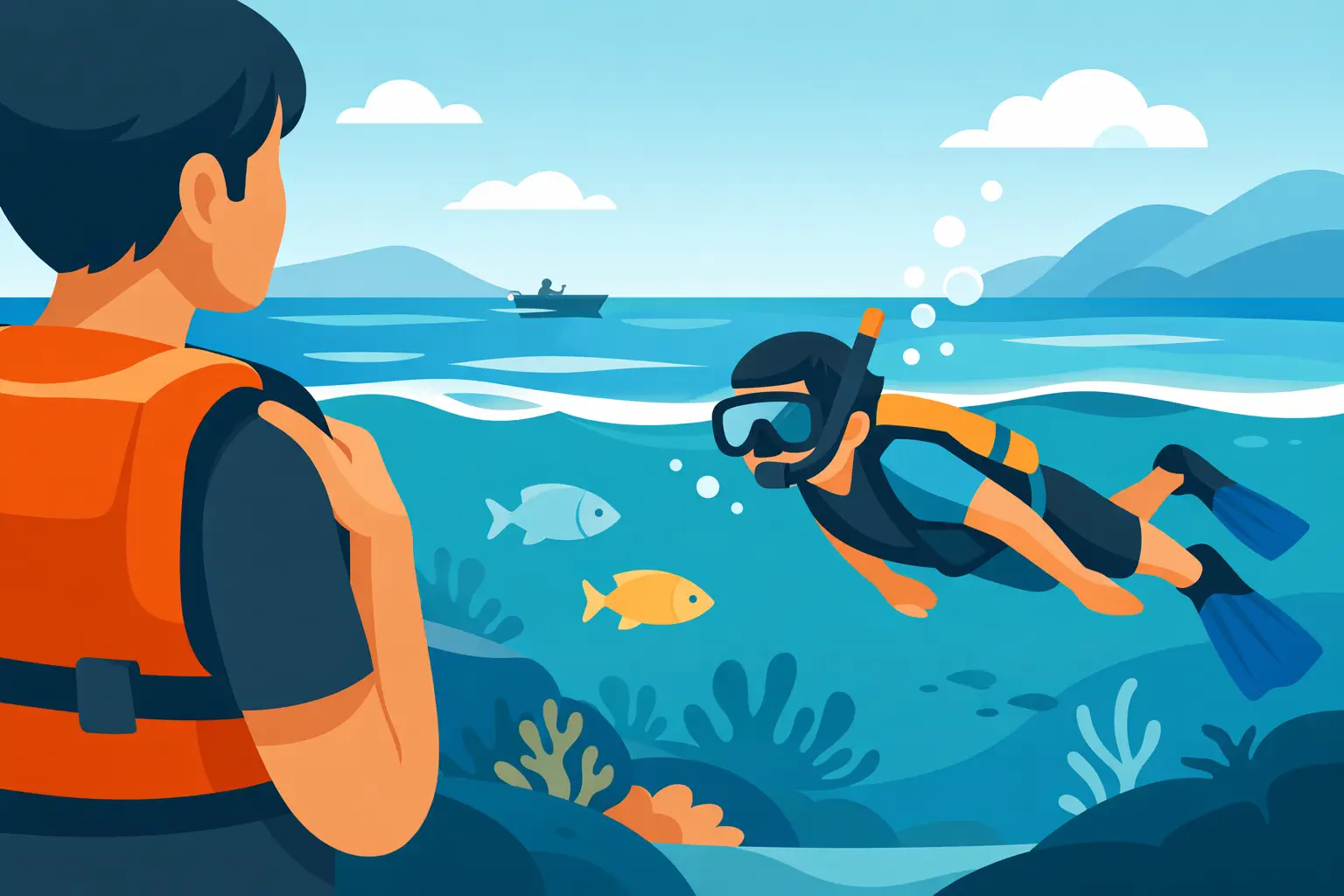

You do not need to be a confident swimmer to enjoy the reef. If you have ever watched people glide over bright coral and tropical fish and wondered, can non swimmers snorkel, the short answer is yes – often very comfortably. The better answer is that it depends on the setting, the support, and how the experience is designed.
For many travelers in Barbados, snorkeling is not about athletic skill. It is about floating in warm, clear water, breathing steadily through a mask, and taking in a world that feels almost unreal. When the conditions are calm and the crew is attentive, first-timers and nervous guests can have a beautiful introduction to the ocean without feeling pushed beyond their comfort zone.
Can non swimmers snorkel without stress?
They can, but the experience needs to be the right one. Non-swimmers usually do best on guided snorkeling trips in sheltered water where flotation is part of the plan, not an afterthought. A good operator will not treat beginner guests like a problem to manage. They will treat them like guests who deserve the same memorable view, just with more support and a little more care.
That support matters because snorkeling is not the same as swimming laps. In most beginner-friendly snorkeling experiences, you are floating rather than propelling yourself through the water with force. A life vest, flotation belt, or pool noodle can keep you buoyant while you move slowly and stay relaxed. Many guests are surprised by how little effort is required once they stop trying to “swim” and start trusting the float.
Still, there is a real difference between being a non-swimmer and being comfortable in water. Someone who cannot swim but feels calm while floating will usually adapt faster than someone who panics when water touches their face. The gear is simple. The emotional side is what shapes the experience.
What makes snorkeling possible for non-swimmers
The biggest factor is buoyancy. When you are wearing a properly fitted flotation device, your body stays at the surface with far less effort. That changes everything. Instead of worrying about staying up, you can focus on breathing through the snorkel and looking down into the water.
Mask fit is another detail that gets overlooked. If the mask leaks, beginners tend to tense up quickly. The same goes for an uncomfortable snorkel mouthpiece. Small equipment issues can feel huge when you are already unsure in the water, which is why attentive setup and a patient pre-snorkel briefing matter so much.
Then there is the environment itself. Calm, shallow, clear water is far more beginner-friendly than a choppy open-water site with strong current. A premium guided excursion should choose locations with guest comfort in mind, not just the most dramatic underwater scenery. The best first snorkel is not the most ambitious one. It is the one that lets you relax enough to enjoy what you came to see.
Can non swimmers snorkel in Barbados?
In many cases, yes – and Barbados can be an especially inviting place to try. Warm Caribbean water, excellent visibility, and protected areas around the coast create conditions that are often much gentler than people expect. For vacationers who want the thrill of marine life without a high learning curve, that combination can feel like the sweet spot.
That said, Barbados still deserves respect. Sea conditions change. Wind can pick up. Some sites are better suited to strong swimmers, while others are ideal for beginners who want a softer introduction. This is where a professionally guided experience makes all the difference. The crew can choose the right stop, explain how to use your gear, stay close in the water, and adjust the pace to match your confidence.
That is part of what turns snorkeling from a nervous idea into a highlight of the trip. With the right hosts, it feels less like a test and more like being welcomed into the island’s underwater world.
What non-swimmers should expect on a first snorkeling trip
Expect a short learning curve at the beginning. The first few breaths through a snorkel can feel unusual because your face is in the water while your breathing stays steady above it. Most people adjust within minutes, especially when they are encouraged to stand, float, or hold onto a guide or flotation aid while getting comfortable.
Expect the first minute to feel more awkward than the next twenty. That is normal. Beginners often lift their heads too often, kick too hard, or forget to relax their shoulders. Once the body settles, snorkeling usually becomes much easier.
You should also expect some honesty from a quality operator. Not every guest will love it right away, and not every sea day is perfect for first-timers. A good team will set expectations clearly, offer support without pressure, and make space for you to take your time.
The safety side that really matters
For non-swimmers, safety is not just about wearing a life vest. It is about choosing an experience built around supervision, calm instruction, and manageable conditions. The safest snorkeling trip for a beginner is one where you never feel alone or rushed.
Look for excursions that provide flotation gear as standard, not only on request. Guided in-water support is a major plus, especially for guests who are anxious. Small group settings tend to feel better than crowded tours where beginners can get overlooked. A boat with easy water access also helps. Climbing back aboard should feel smooth and supported, not like part of the challenge.
There are also moments when snorkeling may not be the right choice, at least not yet. If you are deeply uncomfortable putting your face in water, have a strong fear response, or are dealing with rough conditions, it may be smarter to enjoy the boat, the coastline, and the atmosphere instead of forcing the snorkel portion. There is no glamour in pushing through panic. The ocean is far more enjoyable when approached with confidence and respect.
How to make your first snorkel easier
A little preparation goes a long way. Practice breathing through a snorkel before entering deeper water if the crew offers the chance. Focus on slow, steady breaths rather than big inhales. Keep your body long and relaxed at the surface. Gentle kicking is enough.
It also helps to let your guide know exactly how you feel. Saying “I can’t swim well” or “I’m nervous” is useful information, not an embarrassment. Experienced crews hear that every day, and it allows them to support you properly from the start.
If you are booking as a couple or with friends, avoid comparing yourself to the strongest swimmer in the group. Snorkeling is one of those rare ocean experiences where the pace can stay slow and the reward is still spectacular. You do not need speed to enjoy sea turtles, coral gardens, or the shimmer of tropical fish in clear water.
The trade-off non-swimmers should know
Yes, non-swimmers can snorkel, but they may enjoy a different version of snorkeling than a strong swimmer would. You might stay closer to the boat, use flotation the entire time, or choose shorter sessions in the water. That is not a lesser experience. It is simply a more supported one.
In fact, many first-time snorkelers find that the gentler version is exactly what they wanted. They are not chasing distance. They want a vivid, unforgettable look beneath the surface, paired with comfort, reassurance, and a sense of ease. On a well-run excursion, that can be every bit as magical as a more advanced outing.
For travelers choosing a premium water experience, this is where thoughtful hospitality stands out. The best snorkeling memories are not made by being brave for the camera. They are made when you feel looked after, the water is welcoming, and the moment opens up naturally around you.
If snorkeling has been sitting on your vacation wish list because you assumed swimming was required, let that assumption go. With calm water, proper flotation, and expert guidance, the reef can be far more accessible than you think. Sometimes the most unforgettable ocean moments begin with a little hesitation, a steady breath, and the decision to float.