
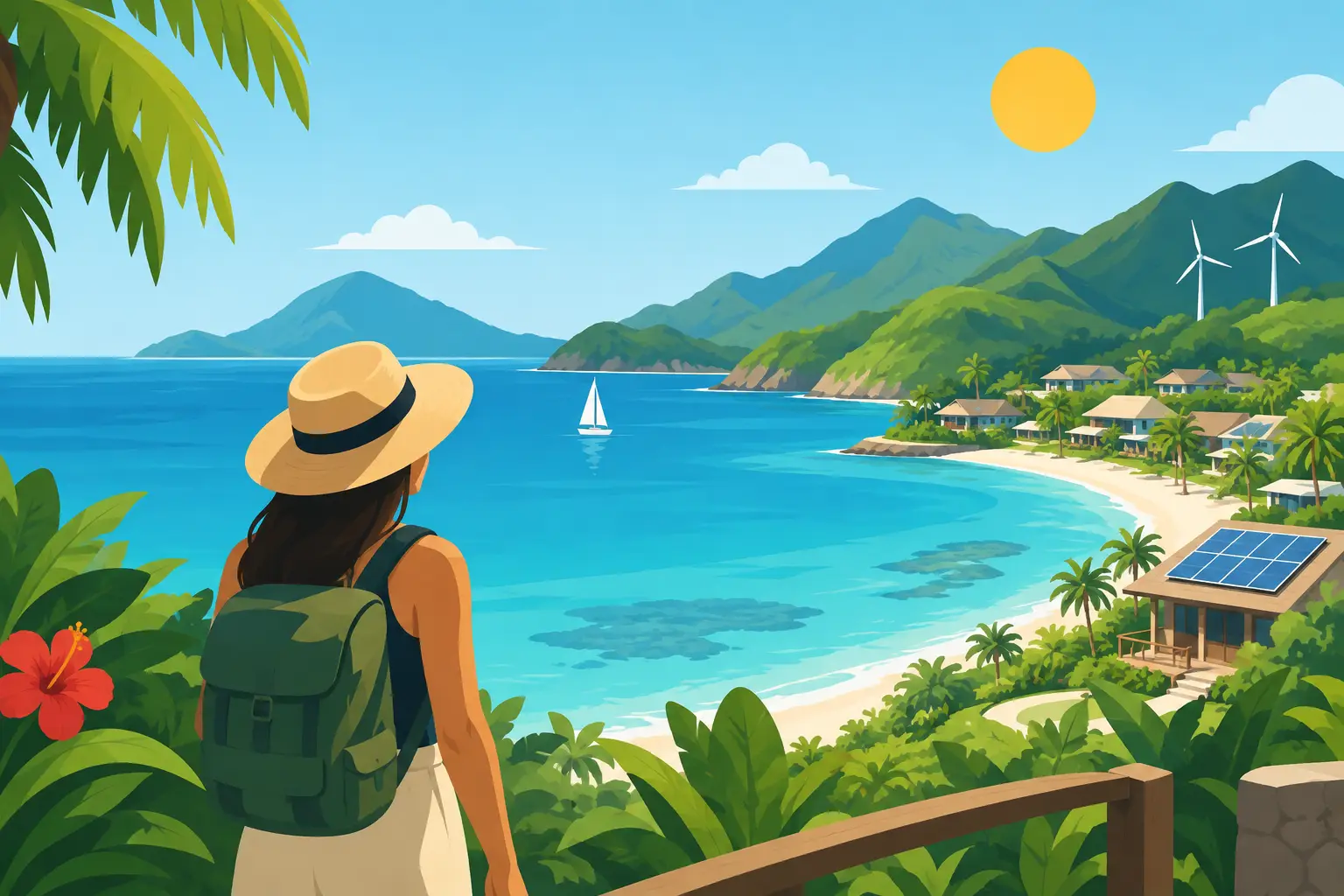

The best Caribbean days still begin with that first glimpse of clear water from the shore. But Caribbean sustainable tourism trends are changing what happens next. Travelers are looking beyond a beautiful boat, a great playlist, and a photo-worthy swim stop. They want to know whether their day on the water respects the reefs, supports the island, and leaves Barbados as extraordinary for tomorrow’s guests as it feels for them today.
For visitors, this is good news. Sustainable travel does not have to mean sacrificing comfort, celebration, or adventure. At its best, it means a more thoughtful kind of luxury: smaller groups, knowledgeable guides, local flavor, well-maintained equipment, and the rare feeling that your vacation experience belongs to the place rather than being dropped onto it.
Caribbean Sustainable Tourism Trends Changing the Experience
Sustainability in the Caribbean is not one single practice. Each island has different coastlines, conservation priorities, community needs, and tourism pressures. Barbados, with its beloved reefs, active marine life, and lively west and south coast waters, is shaping its own version of responsible ocean leisure.
The common thread is clear: the best operators are making the guest experience more intentional. That can mean how a vessel approaches a reef, what refreshments are served, who leads an excursion, or how a guide helps first-time snorkelers feel confident in the water. The details may seem small, but on an island, small choices multiply quickly.
Reef-smart adventures are becoming the expected standard
A healthy reef is not simply a scenic backdrop. It is a living neighborhood for fish, turtles, corals, and countless smaller species, while also helping to protect coastlines. That is why reef-smart tourism is moving from a niche preference to a defining part of premium Caribbean travel.
Guests increasingly value tours that avoid anchoring on delicate reef areas, keep a respectful distance from wildlife, and give clear guidance before anyone enters the water. A good briefing should feel welcoming, not restrictive. It can explain why touching coral is harmful, why chasing a turtle ruins the encounter, and how to float calmly above a reef without kicking up sand.
This trend matters especially for beginners. With expert supervision and properly fitted gear, a first snorkel can be relaxed, safe, and deeply memorable without placing unnecessary pressure on the marine environment. The goal is not to make the ocean feel off-limits. It is to help guests feel like thoughtful visitors in a remarkable natural space.
Smaller, better-curated outings are beating crowded itineraries
There is a growing preference for quality over quantity. Rather than racing through five stops in one afternoon, discerning travelers are choosing charters with room to breathe: time to swim, sip something chilled, listen to local stories, and enjoy the coastline without feeling rushed.
Smaller shared groups and private charters can support this shift when managed well. Fewer people in the water at one time often makes guidance easier and creates a calmer experience for guests and wildlife alike. It also gives crews more freedom to adapt to conditions. If the sea is choppy or visibility changes, an experienced captain can choose the safest, most enjoyable route instead of forcing a rigid itinerary.
There is a trade-off, of course. A more curated experience may cost more than a large-volume excursion. For many travelers, that difference is worth it for attentive service, a less crowded deck, and greater confidence that the day has been planned with care.
Local partnerships are part of authentic luxury
The era of generic island experiences is fading. Visitors want the Barbados they cannot recreate at home: the warmth of a local welcome, the rhythm of a coastal day, flavors with a sense of place, and guides who know the sea beyond a memorized script.
This is one of the most meaningful sustainable tourism trends because spending within the local economy helps tourism create broader value. When marine operators source from island businesses, hire and train Barbadian crew, collaborate with local conservation voices, and share genuine cultural context, a charter becomes more than an afternoon activity.
For guests, this does not need to feel like a lecture. It might be a crew member pointing out a familiar stretch of coast, explaining seasonal sea conditions, or serving refreshments that reflect the island. These touches create the polished hospitality travelers expect while grounding the experience in Barbados itself.
Low-impact choices are becoming more visible
Guests are paying closer attention to what is onboard and what gets left behind. Refillable water service, reduced single-use plastics, reusable drinkware, responsible waste handling, and durable equipment are increasingly part of the premium standard.
No marine tour is impact-free. Boats use fuel, equipment wears out, and ocean conditions demand thoughtful safety planning. Responsible operators do not pretend otherwise. Instead, they work to reduce avoidable impact while making practical decisions that protect guests, crew, and the environment.
For example, a sunset paddle or LED kayaking experience can be a beautiful low-noise way to experience the coastline, but it still requires respectful route planning and clear guidance around sensitive areas. Similarly, electric or motorized water equipment can offer a thrilling way to explore when it is maintained carefully, operated under supervision, and used where conditions allow. Sustainability is not about removing all adventure. It is about delivering it with judgment.
What Conscious Travelers Should Look For
The most memorable Barbados water experiences balance energy with ease. Before booking, look for signs that an operator values both. Are safety briefings clear and appropriate for beginners? Does the experience avoid promises of guaranteed wildlife sightings? Is there enough time to enjoy each activity without being hurried from one photo stop to the next?
It is also worth looking for a company that speaks specifically about the water, not just the view from the boat. A thoughtful operator will recognize that sea state, weather, guest confidence, and marine conditions can change the plan. Flexibility is not a flaw in an itinerary. It is often evidence of good seamanship.
Travelers can play a meaningful role, too. Use reef-safe sun protection when possible, secure hats and loose items before boarding, bring a refillable bottle if it fits the excursion, and follow the guide’s instructions in the water. Most importantly, let wildlife set the pace. The perfect turtle moment is not the closest one. It is the one where you watch quietly, leave space, and carry home the memory rather than disturbing the animal.
Why Barbados Is Well Positioned for Better Ocean Travel
Barbados has always understood that the sea is central to island life. It is a place for fishing, sport, celebration, restoration, and everyday connection. That relationship gives sustainable marine tourism a strong foundation, especially when experiences are led by people who treat the coastline as both their workplace and something worth protecting.
The future is likely to bring more visitor interest in guided, educational, lower-impact experiences that still feel indulgent. Think sunset cruises with less waste, snorkeling trips that prioritize reef etiquette, private celebrations with local touches, and water sports that make newcomers feel capable from the first briefing. Travelers are not asking for less magic. They are asking for magic with more meaning.
At TideTales Water Sports, that idea fits naturally with the kind of day guests come to Barbados to remember: expert guidance, polished service, and time in the water that feels exhilarating without losing respect for the ocean that makes it possible.
Choose experiences that let you sail, swim, and celebrate with intention. The Caribbean is at its most unforgettable when every wave holds a story worth protecting.