
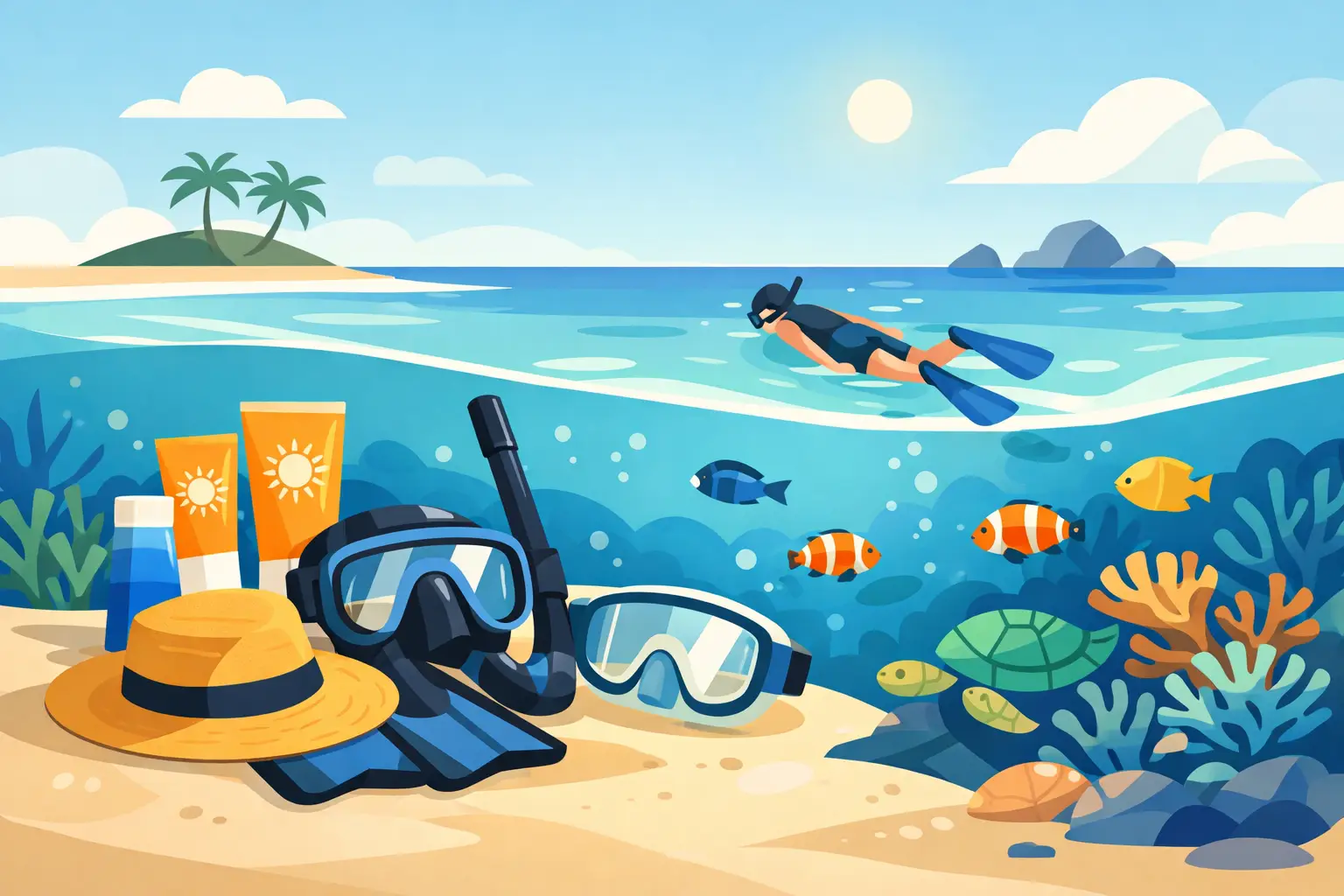

That first snorkel stop in Barbados looks almost unreal – clear turquoise water, bright fish slipping through coral, and sunlight dancing across the surface. It is exactly the kind of vacation moment you want to enjoy without a second thought. But what you put on your skin before you slip into the sea matters, which is why choosing reef safe sunscreen for snorkeling is part of a better day on the water.
For travelers, sunscreen is usually about avoiding a painful burn. For the ocean, it is also about reducing the chemical load that washes off swimmers and into delicate marine habitats. And for a premium snorkeling experience, it is one of those small choices that helps everything feel more thoughtful, from the way you prepare to the way you explore.
Why reef safe sunscreen for snorkeling matters
Coral reefs are beautiful, but they are also under pressure from warming seas, pollution, physical damage, and runoff. Sunscreen is only one piece of that larger picture, yet it is one of the easiest parts for travelers to control.
Some common sunscreen ingredients have raised concerns for their potential effect on marine environments, especially around coral reefs. The issue is not that one beach day from one guest will transform an ecosystem overnight. It is that high-traffic coastal destinations can see repeated exposure from thousands of swimmers over time. If you are snorkeling in clear, shallow water near reefs, your sunscreen is much more likely to enter the same environment you came to admire.
That is why reef safe claims have become more common. But the label can be confusing. There is no single universal standard that all brands follow, so the smartest move is to look beyond the front of the bottle.
What “reef safe” usually means
In practical terms, reef safe sunscreen for snorkeling usually refers to formulas that avoid oxybenzone and octinoxate, two ingredients often flagged in reef protection discussions and banned in some destinations. Many travelers also choose to avoid octocrylene and homosalate, especially if they want a more cautious approach.
Most reef-conscious snorkelers gravitate toward mineral sunscreens that use non-nano zinc oxide, or sometimes titanium dioxide, as the active ingredient. These sit on the skin rather than relying primarily on chemical absorption. For water activities, zinc oxide is often the most trusted option because it provides broad-spectrum protection and tends to perform well in strong tropical sun.
That said, not every mineral sunscreen feels elegant. Some go on thick, leave a white cast, or feel sticky in the heat. If you are planning a full day that includes boat time, snorkeling, drinks, and lounging in the sun, comfort matters. The best formula is the one you will actually apply generously and reapply when needed.
Ingredients to avoid before you enter the water
If you want a cleaner, simpler shopping rule, check the active ingredients panel first. Avoid formulas with oxybenzone and octinoxate for starters. Many eco-conscious travelers also skip products with octocrylene, homosalate, and avobenzone when they are heading into reef areas, though standards vary depending on destination and brand.
Fragrance-heavy sprays can also be less ideal for sensitive skin after saltwater exposure, and aerosol products are not always the most controlled option on a breezy boat deck. A lotion or cream is usually easier to apply evenly, especially around the shoulders, chest, back of the neck, tops of the feet, and ears – the places snorkelers most often miss.
If you are shopping in a rush, resist the temptation to trust the phrase reef safe on its own. Turn the bottle over. A polished package does not always mean a reef-conscious formula.
How to choose the best reef safe sunscreen for snorkeling
For snorkeling, SPF 30 or higher is a smart baseline. Broad-spectrum coverage is essential, because you want protection from both UVA and UVB rays. Water-resistant formulas are especially useful, but water-resistant does not mean all-day protection. It usually means the product maintains its stated SPF for either 40 or 80 minutes in water, after which reapplication becomes important.
Texture matters more than most people expect. On vacation, you do not want a sunscreen that pills under a rash guard, stings your eyes the second you adjust your mask, or leaves your hands so slippery you cannot manage your gear comfortably. A mineral lotion with a smooth finish is often the sweet spot – protective, dependable, and wearable enough for a full excursion.
Skin tone matters too. Some mineral sunscreens blend beautifully on fair skin and leave a noticeable cast on deeper skin tones. If that is a concern, tinted mineral options can help, though they are not always ideal for heavy water exposure. Testing one before your trip is better than discovering halfway through a charter that your sunscreen feels chalky or uncomfortable.
The best sunscreen strategy is not sunscreen alone
The most ocean-conscious approach is to use reef safe sunscreen for snorkeling as one part of a broader sun protection plan. Clothing does a lot of the heavy lifting. A long-sleeve swim shirt or rash guard, a wide-brim hat for time on deck, and good timing with sunscreen application can all reduce how much product you need in the water.
Apply sunscreen 15 minutes before sun exposure and ideally before you arrive at the beach or marina. That gives it time to settle on the skin rather than immediately washing off when you step into the sea. If you are heading out on a guided charter, this also makes the start of your day feel far more relaxed. You can board, settle in, and focus on the view instead of rushing to cover your shoulders while the boat is already moving.
For families, this matters even more. Children tend to miss spots, wipe sunscreen away, or complain about stinging eyes. A lightweight UPF top plus mineral sunscreen on exposed areas usually creates a better balance of comfort and protection.
Common mistakes travelers make
One of the biggest mistakes is applying too little. Most adults use far less sunscreen than the labeled SPF assumes. If you spread a thin layer to make the bottle last, you are almost certainly getting less protection than you think.
Another common issue is waiting until you are in direct sun. By then, shoulders and thighs may already be exposed, and quick application on the go rarely leads to even coverage. Snorkelers also tend to forget the hairline, ears, lips, and the backs of their legs – exactly the places that can ruin the rest of a vacation when burned.
There is also the false sense of security that comes from being in water. Snorkeling feels cooling, but tropical sun reflects off the surface and reaches you from above while your back remains exposed for long stretches. If you are floating face down over reefs and shipwrecks, your shoulders become prime targets.
What to pack for a reef-conscious snorkel day
A well-packed snorkel bag makes the day smoother from the first departure to the final swim stop. Bring your reef safe sunscreen, of course, but pair it with a few simple essentials that make a real difference: a rash guard, polarized sunglasses for boat rides, a hat, a reusable water bottle, and lip balm with SPF.
If you know you will be out for several hours, pack enough sunscreen to reapply generously. Travel-size bottles are convenient, but not if they leave you rationing halfway through the day. A premium experience on the water should feel effortless, and being properly prepared is part of that ease.
This is especially true in Barbados, where bright sunshine and reflective water create conditions that feel glorious and intense at the same time. On a beautifully curated excursion, the goal is to enjoy every swim, every sip, and every stretch of coastline without spending the evening dealing with sun damage.
A quick note on sprays, sticks, and tinted formulas
Sprays are convenient, but they are often wasteful in windy conditions and easy to apply unevenly. Sticks are excellent for the nose, cheeks, and around the eyes, especially for guests who want less runoff or more precise coverage. Tinted formulas can look better on many skin tones, though some may transfer more easily onto towels or snorkel gear.
There is no single perfect format for everyone. If you have sensitive skin, a fragrance-free mineral lotion may be best. If you are focused on quick reapplication around the face, a stick may earn a spot in your beach bag. The right choice depends on your skin, your activity level, and how long you plan to stay out.
Reef safe sunscreen is a small choice with a bigger feel
Luxury on the water is not only about the boat, the route, or the refreshments waiting after your swim. It is also about the quality of the decisions behind the experience. Choosing a better sunscreen is one of those details that reflects care – for your skin, for the places you visit, and for the kind of memories you want to make.
When you snorkel over living reef, the goal is simple: leave with sun-kissed photos, not a burn, and leave the water as beautiful as you found it. That is a smart way to pack for paradise.