
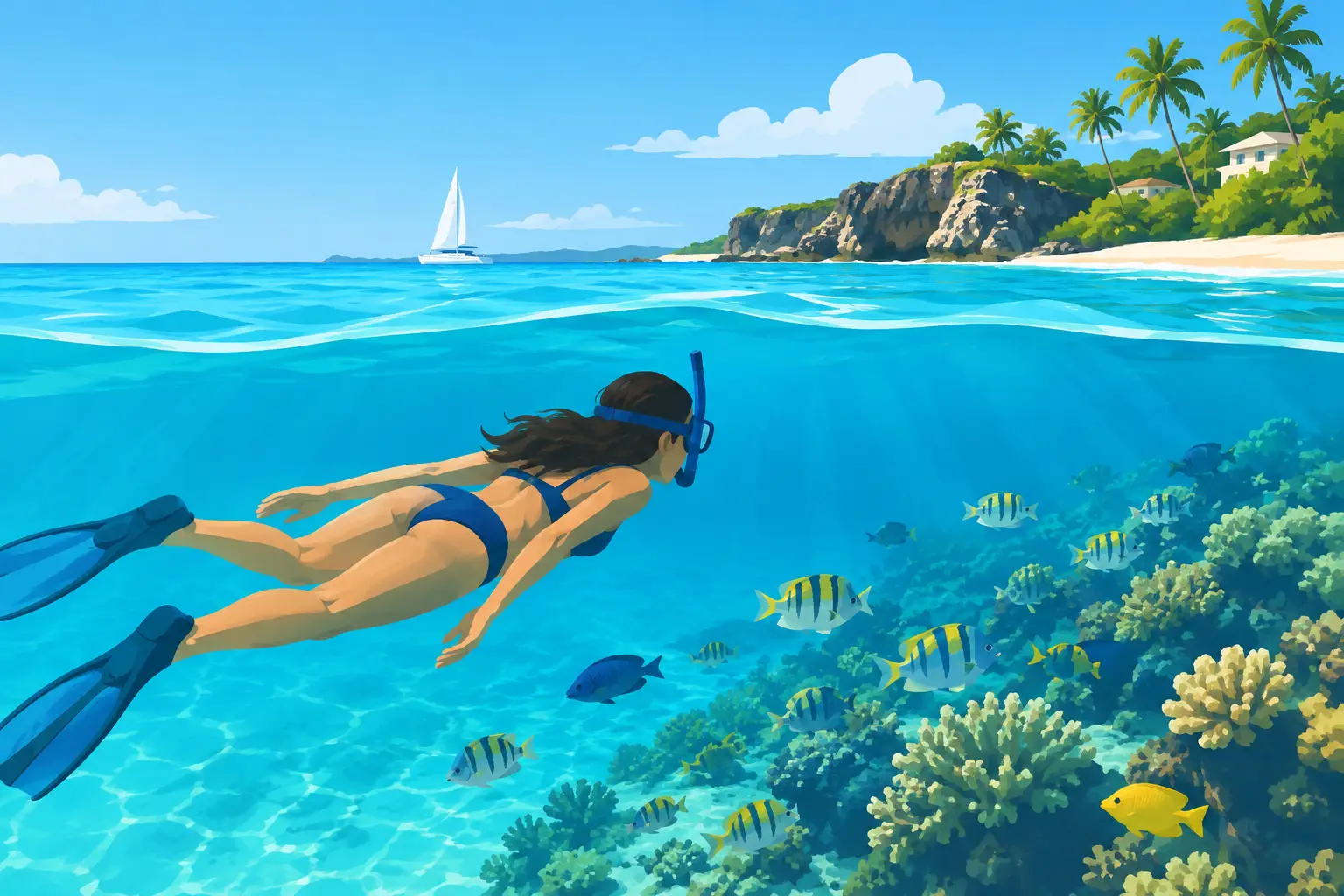

The first moment your mask slips beneath BarbadosÔÇÖ surface, the island changes character. Sunlight flickers over coral, schools of silver fish shift as one, and a shipwreck can appear from the blue like a secret waiting below. This Caribbean snorkeling trip guide is designed to help you make that moment feel easy, comfortable, and genuinely memorable, whether it is your first time wearing fins or your favorite way to spend a day at sea.
Your Caribbean Snorkeling Trip Guide Starts With the Right Island
The Caribbean is not one single snorkeling experience. Conditions, visibility, marine life, and the style of each excursion vary from island to island. Barbados stands out for travelers who want more than a quick beach swim. Its west and south coasts offer warm water, accessible reefs, colorful marine life, and historic wrecks that can be enjoyed on a guided boat trip.
For a polished vacation day, a boat charter brings a different level of ease. Instead of navigating unfamiliar shores, carrying equipment across the sand, or guessing where the reef begins, you can settle in, enjoy the coastline, and arrive at carefully selected snorkeling sites with a crew focused on your comfort and safety.
The best choice depends on your group. Couples may prefer a private charter with time to sip, swim, and linger. Families often appreciate a guided shared cruise where equipment, briefings, and support are already in place. Friend groups can turn the outing into a full ocean afternoon, pairing snorkeling with swimming, refreshments, and time on deck.
Choose Reefs, Wrecks, or a Little of Both
A reef and a wreck offer two distinct moods beneath the surface. Reefs bring the color and movement many travelers imagine when they picture the Caribbean: parrotfish grazing, sergeant majors weaving through the water, and coral structures full of small life. Wrecks feel more cinematic. Their surfaces become habitats over time, attracting fish and creating an unforgettable backdrop for confident swimmers.
If you are new to snorkeling, a calm, shallow reef is usually the ideal first stop. You will have time to adjust your mask, find a relaxed breathing rhythm, and build confidence before heading to a deeper site. More experienced snorkelers may enjoy a combination itinerary, especially if the water is clear and conditions are calm.
Do not choose solely based on the promise of seeing turtles or one particular species. Marine wildlife is never a performance on cue, and that is part of its magic. A quality operator can take you to places where sightings are common while treating every encounter with patience and respect.
Let weather set the pace
The clearest, calmest-looking morning is not always the only good time to snorkel, but conditions matter. Wind can create surface chop, recent rain can affect visibility near shore, and currents may change the best location for the day. A professional crew will adjust the route when needed. Flexibility is not a compromise when it protects the quality of your experience – it is smart ocean planning.
What to Bring for a Comfortable Snorkel
Most guided charters provide the essentials: mask, snorkel, fins, flotation support when appropriate, and a safety briefing. Your personal packing should focus on sun protection, comfort, and keeping the rest of your day relaxed.
Bring a swimsuit that stays secure in the water, a cover-up for the boat ride, a towel, and sunglasses with a strap if you plan to wear them on deck. A reusable water bottle is useful, though many premium excursions provide refreshments. If you are prone to motion sickness, take your preferred remedy before departure, following the instructions on the package or advice from your doctor.
Choose reef-conscious sunscreen and apply it well before getting in the water. Better still, pair sunscreen with a rash guard or swim shirt for long stretches in the Caribbean sun. Avoid bringing valuables unless you have a secure dry bag, and leave heavy jewelry behind. The goal is to move freely from boat to water without worrying about what you left on shore.
If you wear prescription glasses, consider prescription snorkel lenses or a properly fitted mask with corrective inserts. Contact lenses work for many guests, but it is wise to bring spares and keep your eyes closed if you need to clear water from your mask.
Feel Confident in the Water, Even as a Beginner
You do not need to be an expert swimmer to enjoy a guided snorkeling excursion, but you should be honest about your comfort level. Tell the crew if you are nervous in open water, have not snorkeled before, or would like extra help fitting your gear. That conversation allows the team to offer the right flotation device, demonstrate techniques clearly, and keep you closer to support.
Before you enter the water, check that your mask seal is comfortable and your fins are snug without pinching. Once you are floating, take slow breaths through the snorkel and resist the urge to rush toward the first thing you see. A relaxed body stays higher in the water, uses less energy, and gives you more attention for the world below.
Keep your face down and your movements gentle. Big, fast kicks can tire you quickly and stir up sand in shallow water. Small kicks from the hips are more efficient. If water enters your mask or snorkel, stop, signal the guide, and reset. There is no prize for pushing through discomfort.
Parents should stay within armÔÇÖs reach of younger children unless the crew advises otherwise. For families, a shorter snorkeling session with plenty of encouragement often creates happier memories than trying to extend the swim beyond a childÔÇÖs comfort level.
Give the Reef Room to Breathe
Caribbean reefs are beautiful because they are alive, and living coral is more delicate than it looks. The simplest rule is also the most important: look closely, but do not touch. Avoid standing on coral, grabbing a wreck, feeding fish, or chasing turtles for a photo.
Maintain a respectful distance from wildlife and let the animal decide the encounter. A turtle gliding past you is far more special when it is moving naturally than when it is being crowded by swimmers. Your guide can help position the group so everyone has a view without turning a sighting into a scramble.
Be mindful of your fins. When you are near the reef, stay horizontal and lift your feet slightly behind you. This protects coral from accidental contact and keeps your own view clear. Underwater, calm movements are not only more graceful. They are kinder to the environment you came to admire.
Make the Most of a Barbados Snorkeling Day
In Barbados, the experience is as much about the journey as the swim. The coastline, the salt air, the first cool drink after a snorkel, and the feeling of stepping back onto the boat with sun-warmed skin all belong to the day. Choose an excursion that gives you room to enjoy those in-between moments rather than treating snorkeling like a box to check.
A morning charter can offer fresh energy and often gentler conditions, making it a strong option for first-time snorkelers and families. An afternoon trip has its own appeal, especially for travelers who want a slower start to the day and a golden-hour atmosphere on the water. Private experiences offer the most flexibility, while shared cruises can be a lively way to meet fellow travelers.
For guests seeking a curated Barbados experience, TideTales Water Sports can pair the thrill of snorkeling with attentive service, quality equipment, and the relaxed luxury of time well spent at sea. Ask about the pace of the trip, the expected water conditions, available refreshments, and whether the outing is best suited to your groupÔÇÖs confidence level.
Plan for the moments after the swim
Keep the rest of your schedule light. You may want lunch by the coast, an unhurried return to your hotel, or a sunset stroll while the day is still glowing in your mind. Saltwater and sunshine have a way of making even the most energetic traveler ready for a slower evening.
A great snorkeling trip is not measured by how many sites you visit. It is the clear view through your mask, the confidence to float without rushing, and the quiet thrill of realizing that a living Caribbean world was there all along, just beneath the surface.