
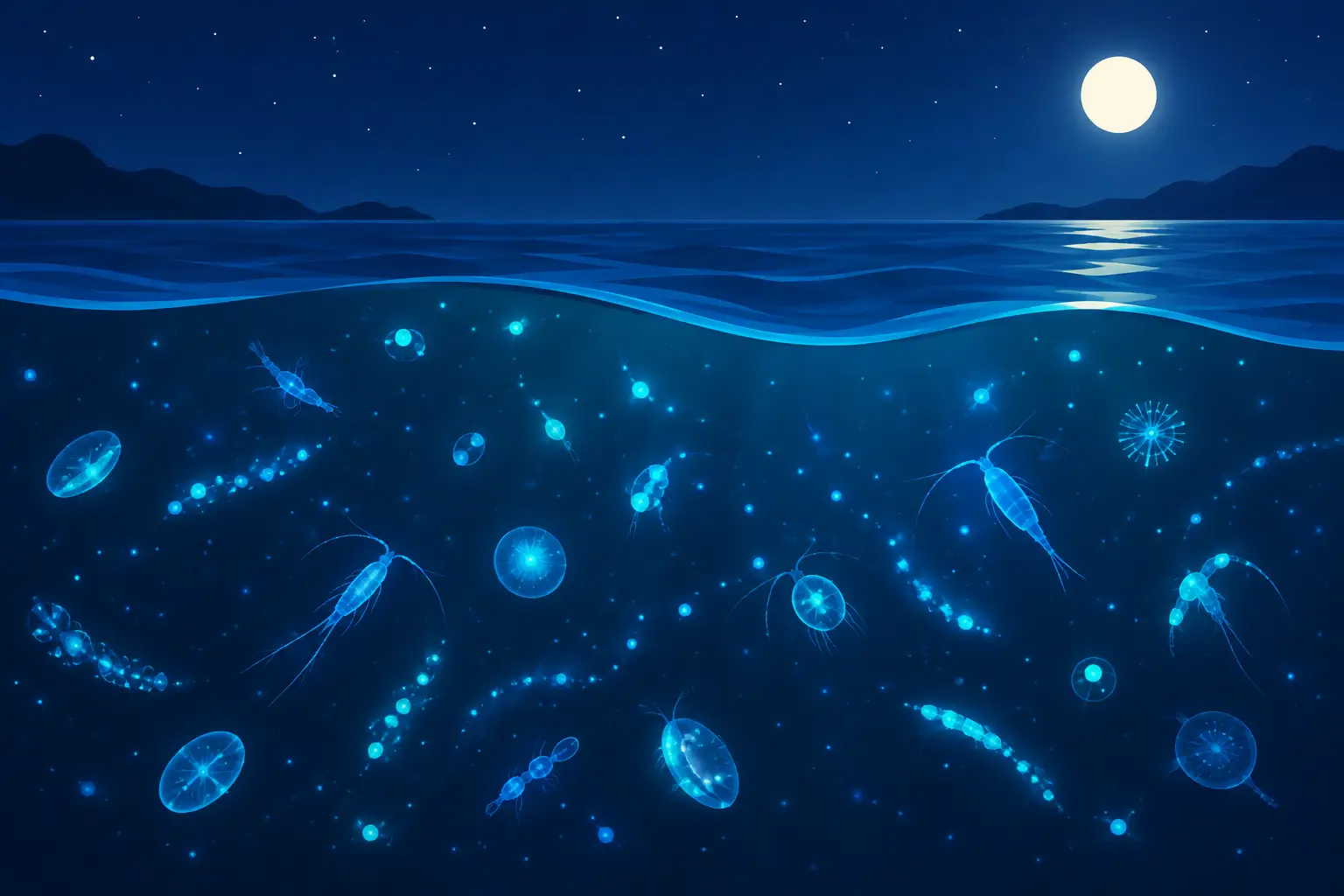

A paddle blade slips beneath the surface, and for a second, the water answers with a blue-green flash. It is one of the CaribbeanÔÇÖs most magical after-dark moments, but travelers often ask: when do plankton glow? The honest answer is that nature sets the schedule. Bioluminescent plankton can appear under the right combination of darkness, water conditions, and microscopic activity, but no responsible operator should promise a glowing sea on command.
For guests planning a Barbados night on the water, that uncertainty is part of the wonder. A thoughtfully guided LED kayak or paddleboard experience can still be beautiful, atmospheric, and memorable even when natural bioluminescence is subtle. When the conditions do align, every stroke, swirl, and splash can feel like a private spark show beneath the stars.
What Makes Plankton Glow?
The glow comes from tiny marine organisms, often dinoflagellates, that produce light through a natural chemical reaction. This phenomenon is called bioluminescence. The light is usually blue or blue-green because those colors travel especially well through seawater.
These organisms do not glow continuously like an underwater lamp. Many flash when the water around them is disturbed. A hand moving through the sea, the wake of a fish, a kayak paddle, or a gentle kick can trigger a brief shimmer. Scientists believe the flash may help deter predators, though the ocean still holds plenty of mystery.
The result can range from a few delicate pinpricks around your paddle to a bright, swirling trail that makes the shallows appear sprinkled with stars. It depends on how many bioluminescent organisms are present and whether the conditions encourage them to be active and visible.
When Do Plankton Glow Best?
On the darkest nights
A dark sky is one of the biggest ingredients. Around a new moon, there is less moonlight reflecting on the water, so even a modest bioluminescent display is easier to see. Bright full-moon nights can still be gorgeous for a coastal cruise, but they are less favorable for spotting faint natural flashes.
Artificial light matters, too. Areas away from busy beachfront lighting, marinas, and strong shore illumination offer better viewing. This is why a calm, well-planned route can make such a difference. You are not simply looking for glowing organisms – you are giving your eyes time to adjust to the night.
In warm, settled water
Bioluminescent plankton tend to thrive in warm water, which is one reason tropical seas can offer memorable displays. Still, warm weather alone does not guarantee anything. Heavy rain, large swells, changing currents, or fresh runoff can alter water chemistry and move plankton populations elsewhere.
Calmer conditions often make the experience easier to appreciate. When the water is relatively smooth, each paddle stroke creates a crisp trail rather than disappearing in choppy reflections. Calm water is also more comfortable for newer paddlers and makes a guided night outing feel relaxed rather than rushed.
When plankton populations are present
This is the variable no one can control. Plankton are living organisms carried by currents, influenced by nutrients, temperature, salinity, wind, and weather patterns. A location can glow brilliantly one week and show very little the next. Even within the same evening, one cove may look quiet while another has visible flashes.
That is why ÔÇ£best seasonÔÇØ questions deserve a nuanced answer. In many warm-water destinations, sightings can occur at different times of year, rather than following one exact annual window. Local guides who are regularly on the water can assess recent conditions, but they cannot manufacture a natural event.
Can You See Glowing Plankton in Barbados?
Barbados is known for clear Caribbean water, warm evenings, and remarkable coastal scenery, all of which make it a beautiful place for a night-time ocean experience. Natural bioluminescence may be visible in certain conditions, but it is not a nightly guarantee and should never be presented as one.
That distinction matters when choosing an excursion. An LED kayaking or luminescent paddleboarding experience creates its own striking visual atmosphere, with underwater lighting illuminating the water around your craft. It is a designed experience, while plankton glow is a wild and unpredictable bonus. Both can be captivating, but they are not the same thing.
For travelers hoping to spot natural light in the water, approach the outing with curiosity instead of a checklist. Let the calm sea, island breeze, and starlit coastline be part of the occasion. If bioluminescence joins the evening, it becomes an unforgettable surprise rather than the only measure of a great night.
How to Improve Your Chances of Seeing a Glow
Start by choosing an evening with less moonlight, then select an experience that takes place after the sky has fully darkened. Avoid judging the water immediately. Your eyes may need 15 to 20 minutes away from bright phone screens and shore lights before you notice faint flashes.
Once you are on the water, move gently at first. Drag your fingers through the surface, make slow figure eights with a paddle, or watch the small wake along the side of your kayak. A sudden, hard splash can create a dramatic burst if plankton are present, but quiet observation often reveals more.
Ask your guide what has been seen recently, but listen closely to the language they use. ÔÇ£Conditions have been promisingÔÇØ is realistic. ÔÇ£You will definitely see glowing plankton tonightÔÇØ is not. Premium hospitality means setting clear expectations while still creating an exceptional experience, whatever the sea decides to reveal.
Bring a light layer for the ride home, use insect repellent before departure if conditions call for it, and secure anything you do not want near saltwater. Leave your phone in a waterproof pouch when possible. A bright screen can spoil both your night vision and the mood of the moment.
Why Photos Rarely Look Like the Real Thing
Those electric-blue bioluminescence photos online can create unrealistic expectations. Many are taken with long exposures, high camera sensitivity, specialized settings, or editing. Cameras can gather light over several seconds, while your eyes see each flash in real time.
That does not make the real experience less beautiful. It simply makes it different. In person, the magic is in the movement: a glowing ribbon behind a paddle, a quick constellation around a fish, or a soft flicker at the waterline. It is intimate and fleeting, not always neon-bright.
If you want to attempt a photo, keep your expectations low and your attention on the water. Night photography can take you out of the experience, especially if you spend the entire outing adjusting settings. Let the memory be the main souvenir.
Enjoy the Glow Without Disturbing the Sea
Bioluminescent organisms are part of a living marine ecosystem, not a special effect. Avoid scooping large amounts of water into containers, chasing wildlife, or repeatedly splashing sensitive shoreline areas just to create a brighter display. Use reef-safe habits throughout your visit, including keeping litter out of the water and respecting guide instructions.
For a safer, more polished evening, choose a professionally managed experience with properly maintained equipment, local knowledge, and clear guidance before you launch. TideTales Water Sports designs night-water experiences around comfort, confidence, and the kind of island atmosphere that stays with you long after you dry off.
The most rewarding way to look for glowing plankton is to give the night room to surprise you. Put the phone away, settle into the rhythm of the water, and watch closely. Whether the sea answers with a brilliant blue flicker or only the reflection of the stars, Barbados after dark still has a story worth taking home.